


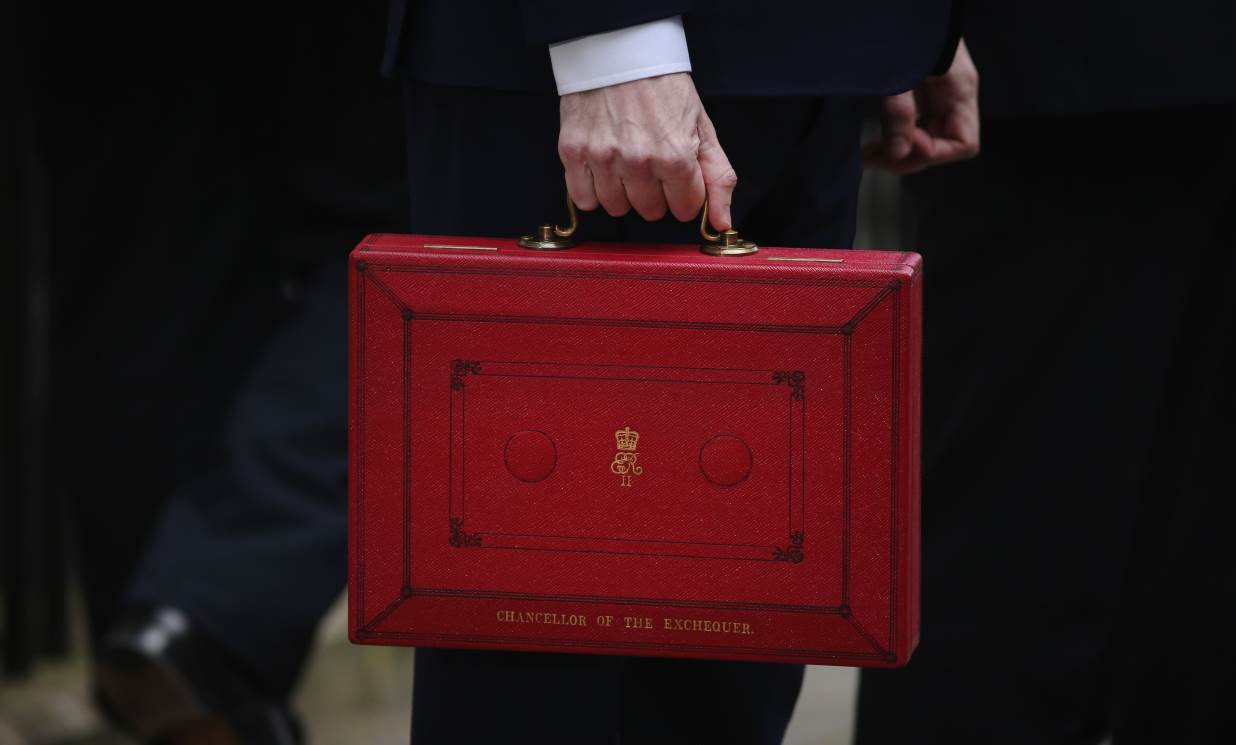
The Chancellor has announced a £4.7 billion housing package designed to help more people onto the property ladder, with smaller deposits, government-backed loans and a new savings ISA among the headline measures.
First-time buyers have been given a potential boost in today’s Budget, with Chancellor John Healey confirming plans to help thousands of aspiring homeowners overcome one of the biggest barriers to buying: saving for a deposit.
The headline announcement is the Your First Home scheme, backed by £4.7 billion in government funding. The initiative aims to help around 70,000 households in England buy their first home, particularly those without financial support from the so-called ‘Bank of Mum and Dad’.
Under the scheme, eligible buyers will be able to purchase a new-build property with a deposit as low as 2.5%, alongside a government equity loan worth 20% of the purchase price. The loan will be interest-free for the first five years, potentially reducing monthly mortgage payments by hundreds of pounds compared with a standard 95% mortgage.
Household income limits will apply, set at £110,000 outside London and £140,000 within the capital. Property price caps will also apply, with limits of £650,000 for inner London and £500,000 for outer London. Applications are expected to open in February 2027, with the first loans issued from April.
There is further help on the horizon for those still saving. A new First Time Buyer ISA will launch in April 2029, offering a 25% government bonus on qualifying savings, with contributions of up to £4,000 a year. The account will replace the Lifetime ISA for new savers, although existing Lifetime ISA holders will be able to continue using their accounts.
The Budget also includes a reduction in the Lifetime ISA withdrawal charge for buyers purchasing properties above the existing £450,000 price cap, helping to address a longstanding concern for those buying in more expensive areas.
While these measures could make homeownership more achievable, buyers will still need to consider mortgage affordability, interest rates and the additional costs of purchasing a property.
For first time buyers, today’s Budget offers renewed hope. However, the real test will be whether these initiatives translate into genuinely affordable homes and a more accessible route onto the property ladder.
James Chutter, Head of New Build Partnerships at mortgage broker The Mortgage Brain, responds to the Autumn Budget, Your First Home announcement
“We welcome confirmation of Your First Home, the Government’s equity loan scheme to replace Help to Buy. The announcement comes at a tricky time for first-time buyers, many of whom continue to face significant barriers to homeownership, particularly when it comes to raising a deposit without financial support from the ‘Bank of Mum and Dad’.
“The proposed income caps appear sensible, helping to target support at those who need it most. The scheme, offering a low 2.5% deposit, has the potential to give aspiring homeowners the confidence to take their first step onto the property ladder to buy a new build home.
“While the prospect of further interest rate rises may create uncertainty in the short term, mortgage pricing does not always move in lockstep with the Bank of England’s base rate; lenders will continue to adjust their products in response to funding costs and market conditions.
“Measures that help more people access homeownership must go hand in hand with a sustained commitment to building more homes. Improved access to homeownership will give both buyers and house builders greater confidence to plan for the future.”
Paula Higgins, CEO of HomeOwners Alliance says:
Your First Home Scheme
Our worry here at HomeOwners Alliance is that a 20% interest-free loan restricted to new-build homes will steer buyers towards those properties, increasing demand and potentially prices. That risks creating a two-tier market, particularly in London, where many flat owners are already facing falling values and struggling to sell. The scheme must not help one group of buyers at the expense of people who already own a home.
With first time buyers being pointed towards new builds, quality and protection must be built in from day one. That’s why HomeOwners Alliance is joining the New Homes Quality Board and the New Homes Ombudsman Service in calling for clear quality standards and access to an independent ombudsman to be conditions for every developer taking part in Your First Home. The government must also introduce its promised statutory new-build quality code without delay. Buyer protection must be built in from day one.
LISAs & First Time Isa replacement
“We welcome the removal of the additional penalty for Lifetime ISA savers buying a home above the £450,000 limit. People saving responsibly for their first home should not lose part of their own savings simply because local property prices exceed the cap.
“However, it is disappointing that the £450,000 property price cap will remain unchanged for both existing Lifetime ISAs and the new First Time Buyer ISA, which will replace the LISA for new accounts from April 2029. Londoners buying above that threshold will continue to miss out on the government purchase bonus.
“The cap should reflect London’s housing market, rising to £500,000 in outer London boroughs and £650,000 in inner London boroughs. This is consistent with what will likely be the property price caps for the Your First Home Scheme. It should then increase annually in line with inflation to protect future buyers and prevent the value of this support from being steadily eroded.”
What’s missing?
What did the Chancellor miss? He missed the opportunity to help homeowners right-size. Families need room to grow, people need to relocate for work and older homeowners need to be able to downsize. But they can’t, because the stamp duty they would pay is punishing and puts the brakes on their move. Our 2026 HomeOwners Survey found that 36% of homeowners said reducing stamp duty would make moving easier. We continue to call for stamp duty to be scrapped for people buying a home to live in, so we can get the housing market moving.
Lynda Clark, Editor of First Time Buyer Magazine comments
“At First Time Buyer we are dedicated to help as many first timers get a step on the housing ladder. The introduction of the Your First Home Scheme, announced in the Autumn Budget, will hopefully help many of those, who up until now, could not afford to save for a deposit. We see this as a positive step and hopefully it will kick-start a rather difficult market. Also announced this week was the raising of Shared Ownership eligibility caps in the new year. They will be lifted from £80,000 to £90,000 outside London and from £90,000 to £110,000 in the capital. These have not be changed since 2016 and this is something we have all been waiting for. It will open the door to many first time buyers who want to buy through Shared Ownership but have found themselves unable to do so.”


Sophie Clark is a university-educated professional with a degree in Childhood Education. After building a strong foundation in early years education, she progressed to the role of Early Years Manager, where she honed her leadership and organisational skills. Seeking new challenges, Sophie transitioned into the world of media and events, joining First Time Buyer magazine. In this role, she has gained extensive experience in digital marketing, content creation, and event management. Alongside her work with First Time Buyer, she also operates as a freelance digital and events specialist.


