
Jill Treloggen, founder of JT Interiors in Oxford, shares practical advice and expert insights to help you create a home that looks beautiful and works for everyday life. In this new regular column, she’ll explore everything from budgeting and room layouts to colour choices and design decisions that help turn your new house into a home

WHERE DO I START?
There’s nothing quite like collecting the keys to your first home. After months of anticipation, it’s finally yours. The temptation is to rush in, order furniture, start decorating every room and make dozens of decisions in the first weekend.
OUR ADVICE? SLOW DOWN
Some of the best interiors evolve over time. Many of the costly mistakes we see, happen when homeowners try to do everything at once. The first few months should be spent understanding your space, prioritising your budget and creating a plan that works for the way you actually live.
FIRST THINGS, FIRST
An empty house is a wonderful opportunity, so use it wisely. Before a single sofa crosses the threshold, tackle the jobs that are much easier to do with empty rooms.
Think essential repairs, electrical work, checking heating systems, replacing flooring and ensuring windows and doors are airtight and secure – particularly important when buying an older property.
These may not be the exciting jobs, but it’s far better to complete them before spending money on decoration that may later need to be undone.
WHAT SHOULDN’T YOU DO?
Avoid rushing out to buy furniture immediately. We often see homeowners purchase pieces based on measurements alone, only to realise they don’t suit the room or their lifestyle. Likewise, hold off on committing to bold colour schemes until you’ve experienced how the light behaves throughout the day. Period features are something to treasure – before you start tearing down dado rails, stop and think about the integrity of the building.
A home often reveals its personality once you’ve lived in it for a few weeks.
Phase One. PLANNING IS EVERYTHING – CREATE A COLOUR & STYLE ROAD MAP
The most successful homes aren’t completed overnight. They’re built through a series of thoughtful decisions.
Having an overall vision helps ensure your home feels connected, rather than becoming a collection of unrelated room-by-room choices.
Start by defining a look for the whole house.
Ask yourself:
- What colours, patterns and textures do I naturally gravitate towards?
- Are there existing features I want to work with, such as brickwork, period features or fireplaces?
- Is the house naturally light and airy or darker and more intimate?
- Which colours will flow well between visible rooms?
- What metal finishes will I use for handles, taps and lighting?
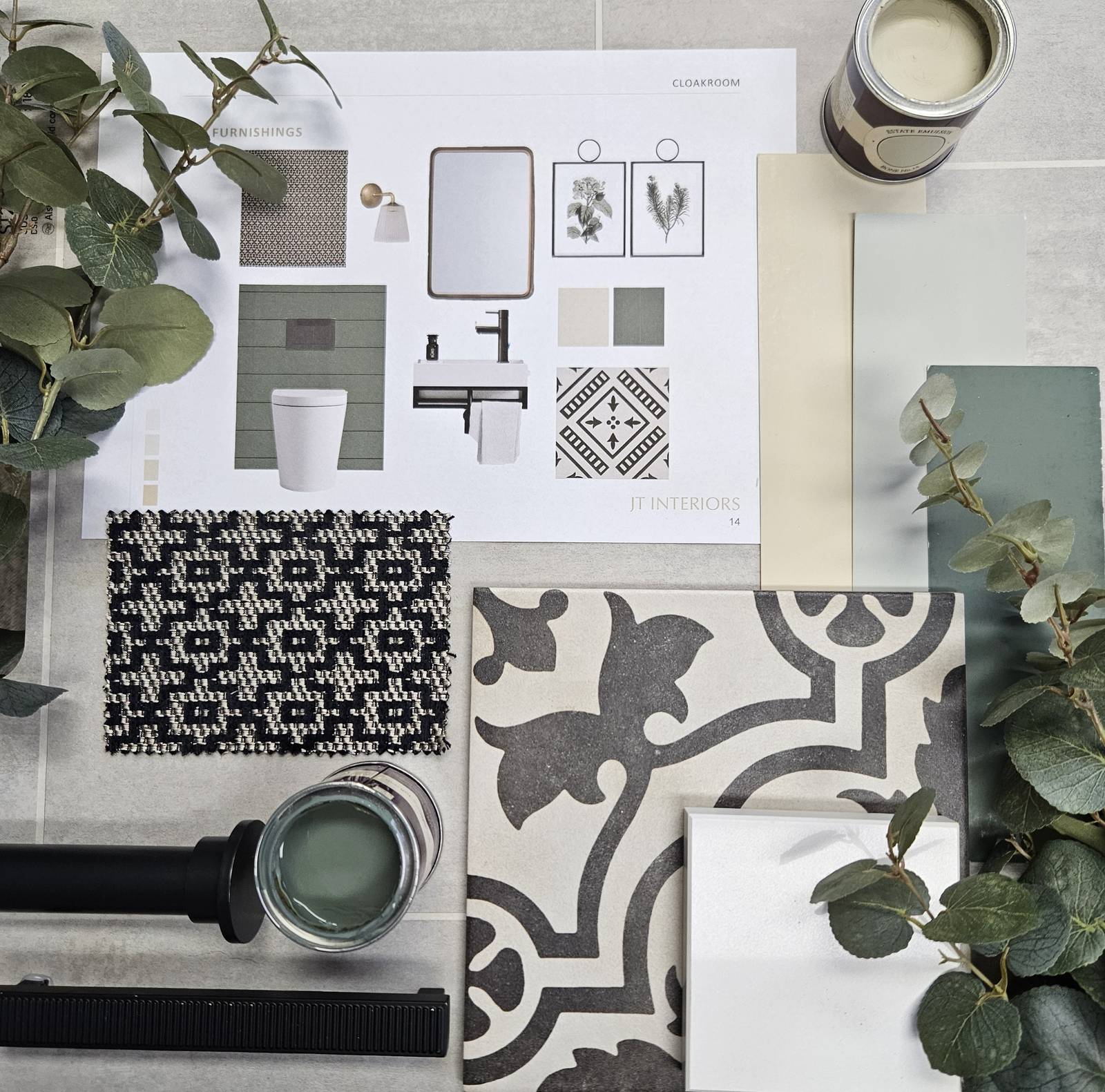
Creating a simple mood board with paint colours, fabrics and finishes can help you establish a clear direction before making purchases.

Phase Two. PLANNING THE FLOW
Once you’ve established your palette, start thinking about each room.
Consider:
- How do you want each room to feel?
- Which spaces need to be calm and relaxing?
- Where can you introduce colour or personality?
- How will the design flow from one room to another?
A cohesive scheme doesn’t mean every room must look the same, but they should feel as though they belong together.

Phase Three. PRIORITISE THE RIGHT ROOMS
One of the biggest mistakes homeowners make is trying to decorate everything immediately.
Start with the spaces that have the biggest impact on everyday life:
- Living room
- Kitchen
- Bathroom
- Main bedroom
These are the rooms you’ll use most, so improvements here will deliver the greatest benefit.
Meanwhile, guest rooms, spare bedrooms and less-used spaces can wait.
It’s also worth delaying work on hallways, stairs and landings until later. These areas often take the most wear and tear while tradespeople, furniture deliveries and decorating projects are ongoing.
Remember, not every room needs to be finished from day one. Living in a space for a while often leads to better decisions about colour, storage and layout.

Phase Four. BUDGET WISELY
Working in phases allows you to spread costs, avoid expensive mistakes and build towards a cohesive result.
When setting your budget:
- Get quotes in early for any building or specialist work
- Include furnishings and finishing touches in your calculations
- Separate “must-haves” from “nice-to-haves”
- Focus on investment pieces that will last.
Kitchens and bathrooms are investments in the property, while a quality sofa is an investment in your comfort and can move with you to future homes.
It’s also worth considering how long you plan to stay. If you’re likely to move again in a few years, prioritise projects that offer good return on investment. If this is a long-term home, you may choose to invest more heavily in finishes and furnishings you’ll enjoy for years to come.
Phase Five. BRING THE FIRST ROOM TO LIFE
Now for the fun part!
Using your overall road map as a guide, start creating your first complete room. Alongside the furniture and paint colours, don’t forget the details that make a space feel finished:
- Window treatments
- Artwork and mirrors
- Decorative lighting
- Accessories
- Statement pieces.
These finishing touches are what transform a house into a home.

FINAL THOUGHTS
Your home doesn’t need to be completed in the first month, or even the first year. Take your time, trust the process and enjoy the journey.
A well-designed home isn’t created in a weekend. It’s built through thoughtful decisions that come together to create a home you’ll love for years to come.

First Time Buyer is an exciting bi-monthly glossy which takes a stylish and comprehensive look at all the options available, setting them out in an entertaining and informative way, and helping potential customers navigate their way through what is often a daunting and complex process. We dispel the myths, reinforce the facts and arm the reader with the tools necessary to make their homeownership dreams a reality.